

When shopping for a high-quality knife, one of the most common questions that arises is: is Damascus steel stronger than stainless steel? This question matters whether you're a professional chef, outdoor enthusiast, collector, or home cook looking to invest in a premium blade. The answer, however, isn't as straightforward as you might think.
In this comprehensive guide, we'll examine the strength characteristics of both Damascus steel and stainless steel, explore their unique properties, and help you understand which material best suits your needs. By the end, you'll have the knowledge to make an informed decision based on science, not just marketing hype.
What is Damascus Steel?
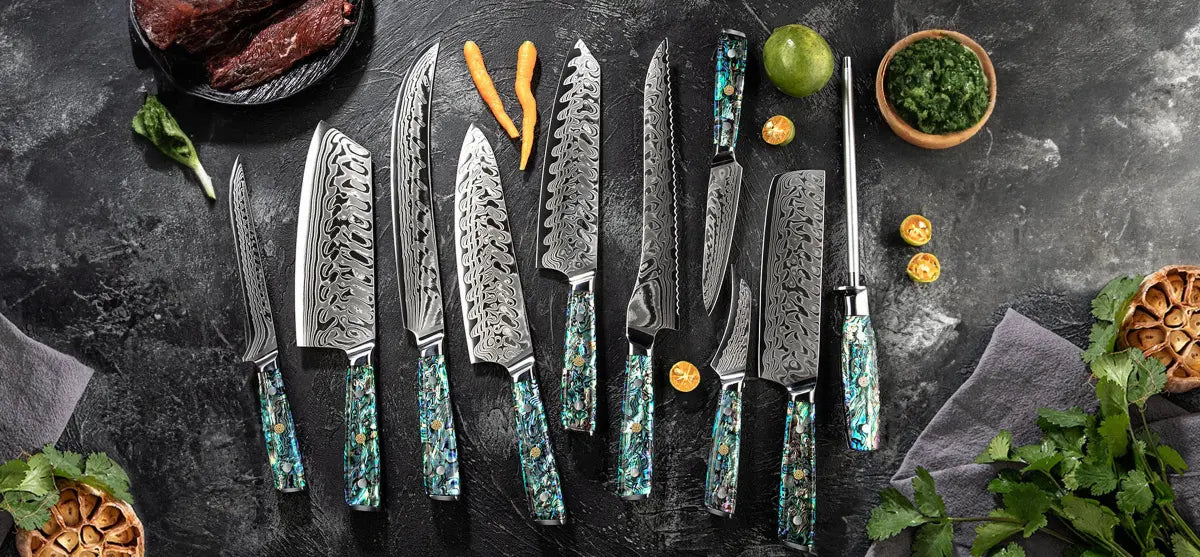
Damascus steel is a layered metal alloy that's instantly recognizable by its distinctive wavy, water-like patterns etched across the blade surface. These beautiful patterns aren't just decorative they're the result of a sophisticated forging process that has both historical roots and modern applications.
Historical Origins
Historically, authentic Damascus steel was crafted from Wootz steel, an ancient metal produced in India and traded extensively in Damascus, Syria hence the name. This original Damascus steel was renowned for its exceptional sharpness and durability, making it legendary among warriors and craftsmen alike.
Modern Damascus Steel
Today's Damascus steel is typically created through pattern welding, a process that combines multiple layers of different steel types. Modern blades commonly use:
• High-carbon steel for rigidity, sharpness, and edge retention
• Softer stainless steel for flexibility and corrosion resistance
These layers are folded, hammered, and forged together repeatedly sometimes creating hundreds or even thousands of layers resulting in that characteristic pattern and a blade that combines the strengths of both steel types.
What is Stainless Steel?
Stainless steel is a metal alloy composed primarily of iron, chromium, and carbon. It may also include additional elements like nickel, molybdenum, or vanadium to enhance specific properties. The key ingredient that makes stainless steel "stainless" is chromium.
The Role of Chromium
Chromium content is what gives stainless steel its superior corrosion resistance. By definition, stainless steel contains at least 10.5-13% chromium, though high-quality knife steel often contains 13% or more. This chromium forms a passive oxide layer on the blade surface that protects against rust and corrosion.
The chromium also contributes to better edge retention, making stainless steel knives capable of maintaining their sharpness through regular use. However, it's important to note that not all stainless steel is created equal the specific grade and composition significantly impact the blade's performance and durability.
Strength Comparison: The Science Behind the Steel
To answer whether Damascus steel is stronger than stainless steel, we need to understand that "strength" encompasses multiple properties, not just a single measurement. Let's examine the key factors:
1. Hardness (Rockwell Scale)
Hardness measures a blade's resistance to scratches, dents, and deformation. It's typically measured on the Rockwell Hardness Scale (HRC).
Damascus Steel: High-quality Damascus steel typically ranges from 58-64 HRC, with some premium examples reaching 62-67 HRC. This high hardness allows Damascus blades to maintain exceptionally sharp edges for extended periods.
Stainless Steel: Most stainless steel knife blades range from 55-60 HRC, though premium varieties can reach higher ratings depending on the specific alloy and heat treatment.
Winner: Damascus steel generally achieves higher hardness ratings, translating to superior edge retention and sharpness longevity.
2. Tensile Strength
Tensile strength refers to how much pulling or stretching force a material can withstand before breaking or failing.
Damascus Steel: Research shows Damascus steel exhibits impressive tensile strength, with measurements ranging from 1070 MPa to 1300 MPa in modern manufacturing processes. Historical Damascus steel averaged around 1100 MPa.
Stainless Steel: Tensile strength varies widely depending on the specific stainless steel grade, generally ranging from 500-900 MPa for common knife steels, with premium alloys achieving higher values.
Winner: Damascus steel demonstrates superior tensile strength in most comparisons, providing greater resistance to breaking under stress.
3. Toughness and Impact Resistance
Toughness measures a blade's ability to absorb impact energy without cracking or chipping crucial for knives used in demanding applications.
Damascus Steel: The layered structure of Damascus steel provides unique advantages. The alternating hard and soft steel layers work together harder layers maintain sharpness while softer outer layers add flexibility and resilience, reducing the risk of catastrophic failure. This structure allows Damascus steel to absorb impacts effectively without breaking.
Stainless Steel: Stainless steel knives are highly durable in everyday use. They can withstand being dropped without chipping or breaking, and they're less likely to suffer damage from accidental impacts during normal kitchen or outdoor use.
Winner: Damascus steel offers superior toughness for demanding applications, while stainless steel excels in everyday durability and drop resistance.
4. Corrosion Resistance
While not strictly a "strength" property, corrosion resistance significantly impacts a blade's long-term durability and performance.
Damascus Steel: Due to its high carbon content and lower chromium levels, Damascus steel is more susceptible to rust and corrosion. It requires diligent maintenance cleaning and drying after each use, plus regular oiling to prevent deterioration.
Stainless Steel: This is where stainless steel truly shines. Its high chromium content provides excellent rust resistance, making it virtually maintenance-free. You can wash it, dry it, and put it away without worrying about rust formation.
Winner: Stainless steel dominates in corrosion resistance, requiring far less maintenance and offering better longevity in humid or wet conditions.
5. Edge Retention and Sharpness
How long a knife stays sharp between sharpenings is a critical practical consideration.
Damascus Steel: Thanks to its higher hardness ratings and unique structure, Damascus steel maintains a sharp edge significantly longer than most stainless steel alternatives. Professional chefs and knife enthusiasts prize this quality, as it means less frequent sharpening and more consistent cutting performance.
Stainless Steel: While stainless steel knives often arrive razor-sharp, they tend to lose their edge more quickly during regular use. The upside? They're generally easier to sharpen when the time comes.
Winner: Damascus steel provides superior edge retention, keeping your knife sharp for longer periods between maintenance.
So, Is Damascus Steel Stronger Than Stainless Steel?
The verdict: In terms of pure strength metrics hardness, tensile strength, and toughness
Damascus steel is generally stronger than stainless steel.
Damascus steel achieves higher hardness ratings (58-64+ HRC vs. 55-60 HRC), superior tensile strength (1070-1300 MPa vs. 500-900 MPa), and excellent toughness thanks to its layered structure. It maintains sharper edges for longer periods and offers a unique combination of hardness and flexibility that few single-alloy steels can match.
However, "stronger" doesn't automatically mean "better" for every application. Stainless steel offers:
• Superior corrosion resistance with minimal maintenance requirements
• Better everyday durability with resistance to accidental impacts
• Easier care and cleaning (often dishwasher-safe)
• More accessible pricing for quality blades
• Widespread availability in various grades and styles
Which Steel Should You Choose?
The right choice depends on your priorities, usage patterns, and willingness to perform maintenance.
Choose Damascus Steel If:
• You're a professional chef or serious cooking enthusiast who values exceptional sharpness and edge retention
• You appreciate the artistry and unique aesthetic of patterned blades
• You're willing to perform regular maintenance (cleaning, drying, oiling)
• You want a knife that makes a statement and becomes a conversation piece
• You're looking for a collector's item or heirloom-quality blade
Choose Stainless Steel If:
• You prioritize convenience and low-maintenance knife care
• Your knife will be exposed to moisture, humidity, or wet conditions frequently
• You're a home cook who wants reliable performance without fuss
• Budget is a primary concern (though quality stainless steel isn't cheap)
• You need a versatile, all-purpose knife for everyday tasks
Maintenance Considerations
Damascus Steel Care:
• Clean immediately after each use with mild soap and water
• Dry thoroughly never let it air-dry
• Apply a light coat of mineral oil or knife oil after cleaning
• Store in a dry environment, preferably in a knife block or sheath
• Never put Damascus steel in the dishwasher
Stainless Steel Care:
• Wash and dry after use (many are dishwasher-safe, though hand washing is preferable)
• Oiling is optional but can extend blade life
• Generally requires less frequent sharpening than Damascus (but loses edge faster)
Common Misconceptions Debunked
Myth 1: All Damascus steel is the same.
Reality: Damascus steel quality varies dramatically based on the steels used in forging and the heat treatment process. Low-quality Damascus may use inferior steels and perform poorly. Always research the manufacturer and specific steel composition.
Myth 2: The patterns make Damascus stronger.
Reality: The patterns are beautiful but decorative. The strength comes from the quality of the steels used and the layered structure, not the visible patterns themselves.
Myth 3: Stainless steel never rusts.
Reality: While highly resistant to corrosion, stainless steel can rust under certain conditions, especially if exposed to harsh chemicals, salt water, or prolonged moisture without proper care.
Myth 4: Damascus steel is impossible to sharpen.
Reality: While Damascus steel's higher hardness makes sharpening slightly more challenging, it's entirely manageable with proper sharpening tools and technique. Many users find the trade-off worthwhile given how long the edge lasts.
Final Thoughts: Quality Matters More Than Type
While Damascus steel generally offers superior strength properties compared to stainless steel, the most important factor is the quality of the specific knife you're considering. A poorly-made Damascus knife will underperform a premium stainless steel blade every time.
When investing in either type of steel, prioritize:
• Reputable manufacturers with proven track records
• Transparent information about steel composition and heat treatment
• Published Rockwell hardness ratings (HRC)
• Customer reviews and expert recommendations
Both Damascus and stainless steel have earned their places in the knife world. Damascus steel delivers exceptional strength, hardness, and edge retention wrapped in stunning visual artistry. Stainless steel provides reliable performance, minimal maintenance, and excellent corrosion resistance for everyday use.
The answer to "is Damascus steel stronger than stainless steel?" is yes but whether that extra strength is worth the additional cost and maintenance is a personal decision only you can make.
Key Takeaways
• Damascus steel typically achieves higher hardness (58-64+ HRC) than stainless steel (55-60 HRC)
• Damascus steel demonstrates superior tensile strength (1070-1300 MPa vs. 500-900 MPa)
• Damascus steel's layered structure provides excellent toughness and impact resistance
• Stainless steel excels in corrosion resistance and requires less maintenance
• Damascus steel maintains sharper edges longer but requires regular care
• Your choice should depend on intended use, maintenance willingness, and personal preferences
• Quality matters more than steel type invest in reputable manufacturers regardless of your choice
Whether you choose the legendary strength and beauty of Damascus steel or the practical reliability of stainless steel, understanding the science behind these materials empowers you to make an informed decision that aligns with your needs, lifestyle, and values. Both are excellent choices when properly manufactured now you know which one is right for you.


Leave a comment
This site is protected by hCaptcha and the hCaptcha Privacy Policy and Terms of Service apply.